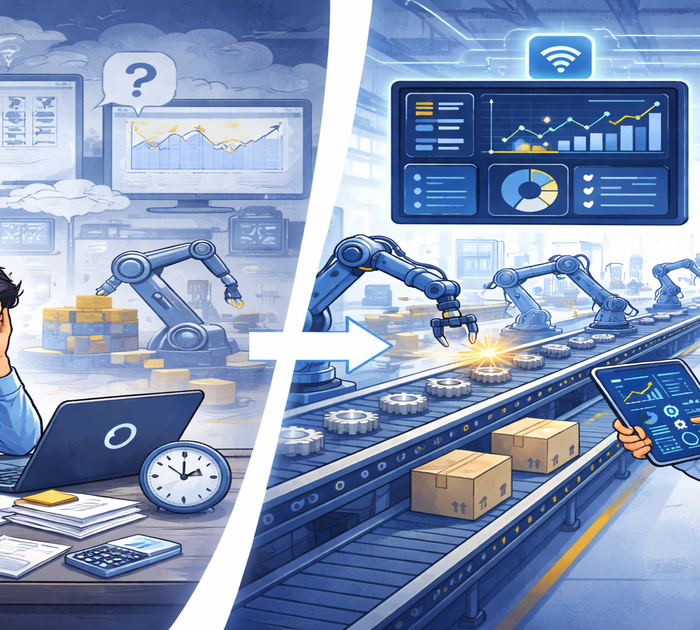



Manufacturing technology alignment with BEAS is what separates modern manufacturers from companies constantly reacting to problems. Too often, production systems look perfect inside the ERP while reality on the shop floor tells a completely different story. Schedules appear achievable, inventory looks accurate, and capacity seems available. However, production teams know the truth: the system does not reflect what is actually happening.
As a result, manufacturers lose trust in their technology.
This is why manufacturing technology alignment with BEAS is so important. Instead of forcing operations to adapt to disconnected systems, BEAS helps technology reflect real production conditions in real time. Consequently, companies gain visibility, accuracy, and control across the entire manufacturing process.
Why Manufacturing Technology Alignment with BEAS Matters
Technology only creates value when it supports reality. Unfortunately, many manufacturing environments operate with systems that are disconnected from actual production conditions.
For example:
- Production schedules ignore real capacity
- Inventory data does not match physical stock
- Work order progress is updated too late
- Teams rely on spreadsheets outside the ERP
Consequently, operations become reactive rather than controlled.
Manufacturing technology alignment with BEAS eliminates these disconnects by connecting the ERP directly to production activity. Therefore, manufacturers can make decisions based on live operational data instead of assumptions.
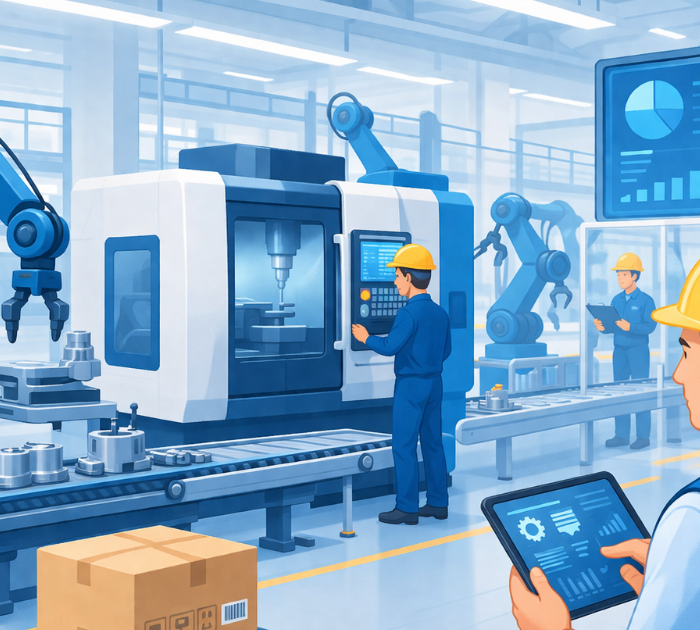
Bringing the Shop Floor into the ERP
One of the biggest challenges manufacturers face is the gap between the shop floor and the ERP system. In many cases, production data is entered manually hours later or tracked outside the system entirely.
However, manufacturing technology alignment with BEAS changes this process completely.
Because BEAS captures production information in real time:
- Work order progress updates instantly
- Material consumption is tracked accurately
- Resource usage reflects actual conditions
- Production status becomes visible across departments
As a result, the ERP stops functioning as a delayed reporting tool and becomes an operational control system.
Planning Based on Reality Instead of Theory
Traditional planning systems often rely on theoretical assumptions. Therefore, schedules may look efficient on paper while being impossible to execute in reality.
Manufacturing technology alignment with BEAS introduces planning that reflects actual production constraints.
For instance:
- Capacity planning considers real machine availability
- Scheduling adjusts dynamically to production changes
- Material shortages become visible earlier
- Bottlenecks are identified before they escalate
Consequently, manufacturers reduce delays and improve delivery performance.
Moreover, realistic planning reduces stress across production teams because schedules become achievable instead of aspirational.
Real-Time Visibility Creates Better Decisions
Without visibility, manufacturers spend more time reacting than improving. Delayed information creates uncertainty, while disconnected systems slow decision-making.
However, manufacturing technology alignment with BEAS provides real-time visibility across operations. Therefore, managers can immediately identify issues and respond faster.
For example, companies can:
- Monitor production live
- Track work orders across all stages
- Analyze resource utilization instantly
- Identify inefficiencies as they occur
As a result, decision-making becomes proactive and data-driven.
Connecting Operations Across the Business
Another major advantage of manufacturing technology alignment with BEAS is integration with SAP Business One. Instead of production operating separately from ERP data, everything becomes connected.
Consequently:
- Inventory updates automatically
- Financial data reflects production activity
- Sales and production remain aligned
- Reporting becomes more reliable
Because all systems work together, organizations gain a single source of operational truth.
Furthermore, this alignment improves communication between departments and reduces operational friction.
Supporting Continuous Improvement
Manufacturers are constantly looking for ways to improve efficiency. However, improvement is difficult when data is inaccurate or delayed.
Manufacturing technology alignment with BEAS supports continuous improvement by providing reliable operational insight.
For example, organizations can:
- Compare planned vs. actual production times
- Identify recurring bottlenecks
- Analyze downtime trends
- Improve resource utilization over time
Therefore, improvement efforts become measurable and sustainable.
Reducing Dependence on Manual Workarounds
When systems fail to reflect reality, employees create workarounds. Spreadsheets, handwritten notes, and disconnected tracking systems become part of daily operations.
However, these workarounds create additional risk and reduce visibility.
Manufacturing technology alignment with BEAS reduces the need for manual processes by ensuring the ERP accurately reflects what is happening on the shop floor.
As a result:
- Teams trust the system more
- Data becomes more consistent
- Operational control improves
Ultimately, technology becomes an enabler instead of an obstacle.
The Bottom Line
Technology should not force manufacturers to adapt around disconnected systems. Instead, systems should support how production actually works.
Manufacturing technology alignment with BEAS helps companies connect real shop floor activity with ERP processes, real-time visibility, and accurate planning. Consequently, manufacturers gain control, improve efficiency, and make better decisions.
Ultimately, the best technology is not the most complicated—it is the technology that reflects reality.
Manufacturing technology alignment with BEAS connects ERP systems with real production activity to improve visibility, planning, and operational accuracy.
BEAS captures production data in real time, allowing manufacturers to monitor work orders, resources, and production performance instantly.
Technology alignment ensures systems reflect actual shop floor conditions, helping manufacturers reduce inefficiencies and improve decision-making.