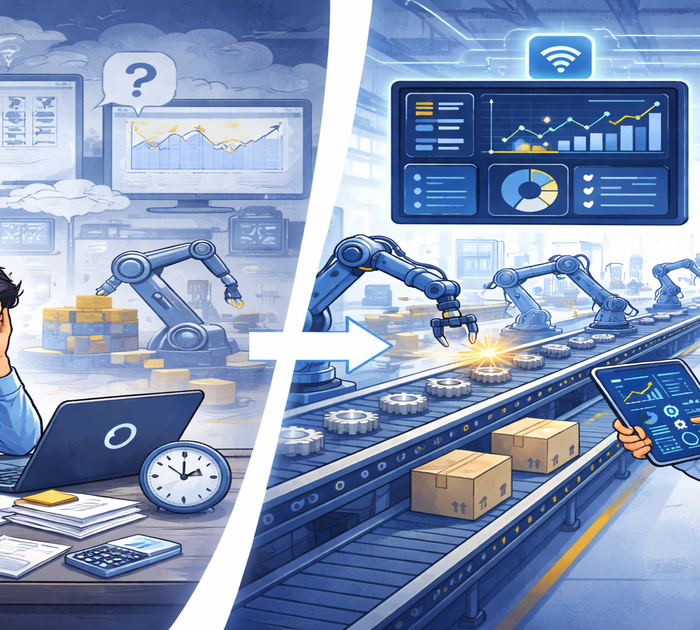


Advanced manufacturing with BEAS isn’t designed for every company—and that’s exactly the point. While many manufacturers still rely on spreadsheets, disconnected systems, and reactive processes, others are moving toward structured, real-time production control.
The difference between these two groups is simple: one is managing production, while the other is controlling it.
If your organization is comfortable with uncertainty, manual adjustments, and limited visibility, then BEAS may not be the right fit. However, if you’re aiming for precision, adaptability, and real-time insight, advanced manufacturing with BEAS becomes a strategic advantage.
When Advanced Manufacturing with BEAS Is Not the Right Fit
Not every manufacturer is ready for structured production control. In fact, some businesses operate in ways that do not require—or are not prepared for—advanced systems.
For example, BEAS is likely not the right solution if:
- Production planning is managed entirely in spreadsheets
- Capacity is assumed rather than calculated
- Shop floor data is not captured in real time
- Traceability is considered optional
In these cases, implementing advanced manufacturing with BEAS may feel overwhelming. After all, BEAS introduces discipline, structure, and accountability into production processes.
However, this is also where the transformation begins.
Moving Beyond Reactive Manufacturing
Many manufacturers operate in a reactive environment. Issues are addressed as they arise, schedules are adjusted manually, and decisions are based on partial information.
As a result:
- Production delays become common
- Bottlenecks are identified too late
- Teams rely on experience rather than data
- Performance becomes difficult to measure
Advanced manufacturing with BEAS changes this dynamic completely. Instead of reacting, companies gain the ability to anticipate and control production outcomes.
Because data is captured and processed in real time, decisions are no longer based on assumptions. Consequently, operations become more predictable and efficient.
Real-Time Production Control Changes Everything
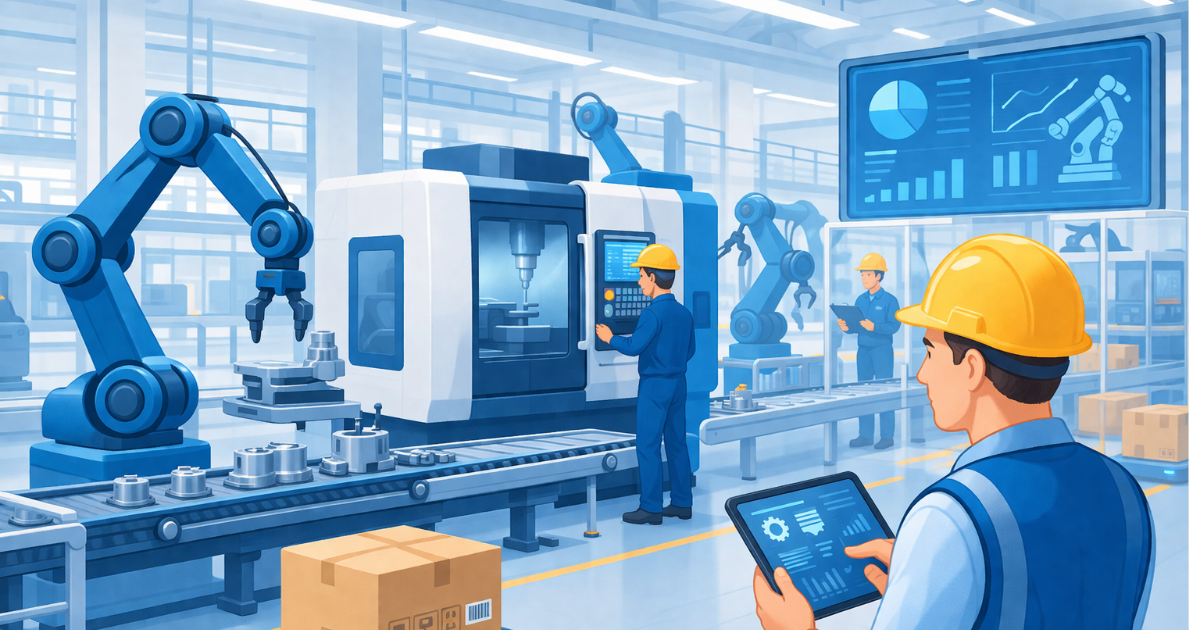
One of the defining features of advanced manufacturing with BEAS is real-time visibility. Unlike traditional systems that rely on delayed updates, BEAS provides immediate insight into what is happening on the shop floor.
This enables organizations to:
- Monitor production progress live
- Identify delays as they occur
- Adjust schedules dynamically
- Improve coordination between departments
Moreover, real-time control reduces reliance on manual reporting. Therefore, teams can focus on execution rather than data entry.
Structured Planning That Reflects Reality
Planning is often where manufacturing systems fail. Many companies rely on theoretical capacity and outdated data, which leads to unreliable schedules.
However, advanced manufacturing with BEAS introduces planning that reflects actual conditions.
For instance:
- Capacity planning is based on real resources
- Production orders align with available materials
- Scheduling adjusts dynamically to changes
Because planning is grounded in reality, organizations can reduce delays and improve delivery performance.
Traceability and Accountability as Standard
In today’s environment, traceability is no longer optional. Customers expect transparency, and industries require compliance.
Advanced manufacturing with BEAS ensures that:
- Materials are tracked throughout production
- Work orders are fully documented
- Quality checks are integrated into processes
- Production history is easily accessible
As a result, companies gain both operational control and regulatory confidence.
Integration That Aligns the Entire Business
Another key advantage of BEAS is its integration with SAP Business One. Instead of operating in isolation, production becomes part of a connected system.
Consequently:
- Inventory updates in real time
- Financial data reflects actual operations
- Sales and production remain aligned
- Reporting becomes consistent and reliable
Because everything is connected, organizations eliminate data silos and improve decision-making across departments.
So, Who Is BEAS For?
If BEAS is not for everyone, then who is it for?
Advanced manufacturing with BEAS is ideal for companies that:
- Want full visibility into production
- Require accurate planning and scheduling
- Need traceability and compliance
- Are ready to move beyond spreadsheets
In other words, BEAS is for manufacturers who are serious about control.
The Bottom Line
Not every company is ready for advanced manufacturing. Some are comfortable operating with limited visibility and reactive processes.
However, for those aiming to scale, optimize, and compete effectively, advanced manufacturing with BEAS provides the structure and insight needed to succeed.
Ultimately, BEAS is not about adding complexity—it’s about replacing uncertainty with control.
Manufacturing control with BEAS refers to managing production processes with real-time visibility, structured planning, and integration with ERP systems.
BEAS improves operations by providing real-time production data, better scheduling, traceability, and alignment between shop floor and ERP systems.
BEAS is important because it helps manufacturers reduce inefficiencies, improve planning accuracy, ensure traceability, and make data-driven decisions.