

ERP projects rarely fail because of the software itself. More often, they struggle due to misaligned processes, unclear requirements, and hidden operational gaps that surface too late—when changes are expensive and timelines are already under pressure.
This is exactly where an ERP Gap Analysis becomes critical.
At Fonseca Advisers, we see Gap Analysis not as documentation, but as a decision-making foundation. It creates clarity before implementation begins, allowing organizations to move forward with confidence instead of assumptions.
What an ERP Gap Analysis Really Is (and What It’s Not)
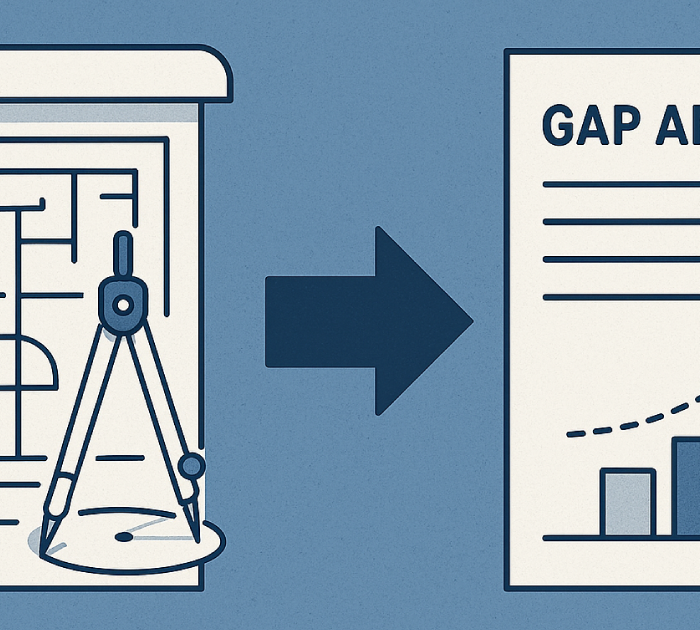
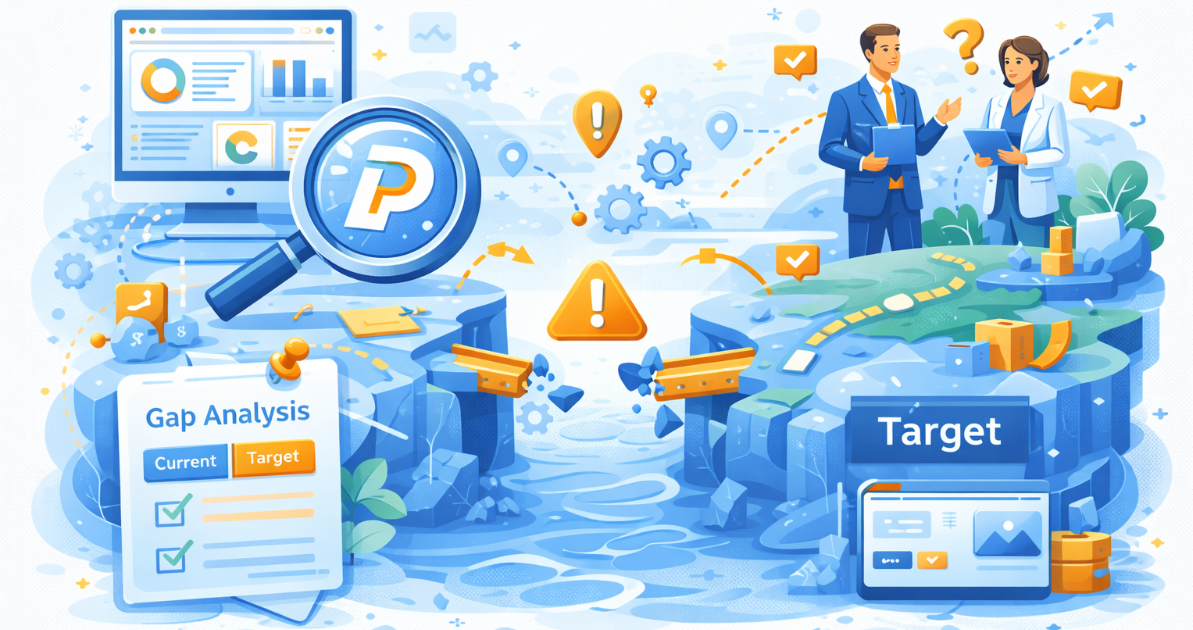
An ERP Gap Analysis is a structured, software-agnostic assessment of how a business truly operates today (AS-IS) compared to how it needs to operate in the future (TO-BE).
It is not:
A generic checklist
A software sales exercise
A high-level conversation disconnected from daily operations
It is:
A deep operational review
A validation of real workflows
A practical way to uncover inefficiencies, risks, and missing capabilities
The goal is simple: identify gaps early, when they are still easy and affordable to address.
Why ERP Projects Need a Gap Analysis First
Organizations often move directly into ERP selection, configuration, or customization based on partial knowledge of their processes. This creates common challenges:
Scope creep during implementation
Budget overruns due to late discoveries
Misconfigured workflows
Add-ons identified too late
User frustration and adoption issues
An ERP Gap Analysis shifts these discoveries to the beginning of the project—where they belong.
By clearly documenting current workflows and comparing them against best-practice operational models, companies gain visibility into what truly needs to change, improve, or be supported by technology.
Fonseca Advisers’ Operations-First Approach
What makes Fonseca Advisers’ ERP Gap Analysis different is our operations-first mindset.
Our assessment is conducted on-site, within real working environments such as:
Warehouses
Production floors
Receiving and shipping areas
Sales and procurement operations
We work directly with Subject Matter Experts (SMEs) and key users to understand:
How work is actually performed
Where manual workarounds exist
Which data is critical
Where controls, approvals, or visibility are missing
This approach ensures the analysis reflects reality—not theory.
What Areas Are Covered in the Gap Analysis
The ERP Gap Analysis typically spans end-to-end operations, including:
Sales and pre-sales processes
Purchasing and procurement
Manufacturing and production execution
Warehouse Management (WMS)
Inventory control and traceability
Quality control
Maintenance processes
Reporting, alerts, dashboards, and approvals
This holistic view allows organizations to understand how decisions in one area impact the rest of the operation.
What You Get at the End of the Gap Analysis
At the conclusion of the engagement, clients receive:
Documented AS-IS workflows
Identified gaps, inefficiencies, and risks
High-level TO-BE recommendations
Budgetary and licensing considerations
A clear foundation for implementation planning
These deliverables help teams align stakeholders, validate scope, and make informed investment decisions—before committing to a full implementation.
The Real Value of an ERP Gap Analysis
Clients typically use the results to:
Reduce implementation risk
Prevent costly rework
Align business and IT teams
Define realistic scope and budgets
Prioritize quick wins versus strategic initiatives
Simply put, clarity is far cheaper than rework.
When Should You Perform an ERP Gap Analysis?
An ERP Gap Analysis is especially valuable:
Before a new ERP implementation
Before adding manufacturing, WMS, or PIM solutions
When current systems no longer support growth
When operational inefficiencies are increasing
When prior implementations underdelivered
Starting with a Gap Analysis ensures that technology investments are driven by operational needs—not assumptions.
Final Thought
ERP success starts long before configuration or go-live. It starts with understanding how your business truly operates.
At Fonseca Advisers, our ERP Gap Analysis helps organizations build the right foundation first, enabling smoother implementations, stronger adoption, and long-term operational success.
An ERP Gap Analysis is a structured assessment that compares current business processes (AS-IS) with desired future processes (TO-BE) to identify gaps, inefficiencies, and risks before ERP implementation or optimization.
An ERP Gap Analysis reduces risk by uncovering process gaps, missing requirements, and misalignments early—helping organizations avoid scope creep, budget overruns, and rework during implementation.
A typical ERP Gap Analysis engagement requires approximately 164 hours, with a recommended contingency of 205 hours, depending on operational complexity and scope.