

Implementing an ERP is a significant milestone, but achieving ERP system stability is what determines long-term success. While many organizations focus on selecting the right software and completing a successful implementation, the real challenge begins after go-live. Daily operations become more demanding, business requirements evolve, and users expect consistent performance. Without ongoing attention, even the most robust ERP systems can gradually lose efficiency. That is why ERP system stability should be treated as a business strategy—not simply an IT responsibility.
At Fonseca Advisers, our Post Go-Live Managed Services help organizations maintain ERP system stability through proactive monitoring, continuous optimization, and expert support that protects their investment long after implementation.
Why ERP System Stability Matters
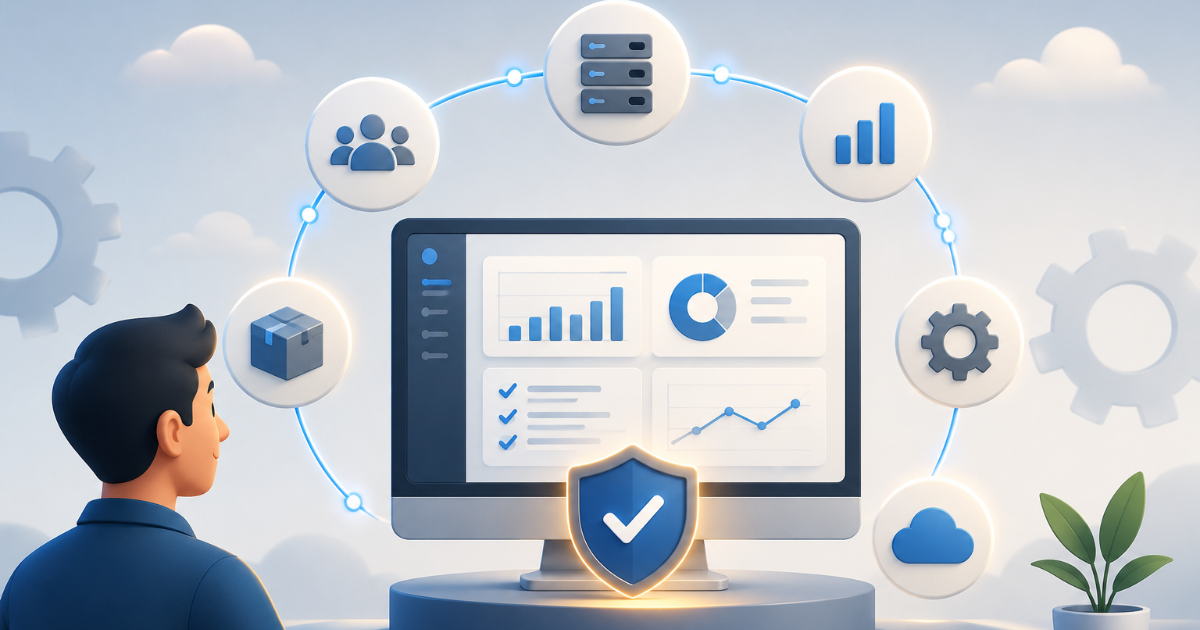
An ERP system connects nearly every area of a business, including finance, inventory, purchasing, manufacturing, sales, and reporting. Because so many processes depend on it, even minor performance issues can affect productivity across the organization.
However, ERP environments are never static. As businesses grow, they add users, expand operations, integrate new solutions, and process larger volumes of data. Consequently, maintaining ERP system stability becomes essential for keeping operations running efficiently.
Without proactive support, companies often experience:
- Slower system performance
- Unsupported customizations
- Delayed software updates
- Database performance issues
- Increased support requests
- Reduced user confidence
Although these problems may seem manageable at first, they often become more disruptive—and more expensive—over time.
ERP System Stability Requires Proactive Support
Most businesses perform preventive maintenance on manufacturing equipment because they understand the cost of unexpected downtime. The same principle applies to ERP systems.
Rather than waiting for problems to appear, proactive managed services focus on maintaining ERP system stability before operational issues occur.
Regular monitoring helps identify potential risks early while ensuring that infrastructure, databases, integrations, and supported customizations continue performing as expected.
As a result, organizations spend less time resolving technical issues and more time focusing on growth and innovation.
Building ERP System Stability Through Managed Services
Effective managed services provide much more than technical support. They create a structured approach that keeps ERP environments healthy throughout their lifecycle.
At Fonseca Advisers, our Post Go-Live Managed Services include ongoing activities designed to strengthen ERP system stability, including:
- Infrastructure assessments
- Database administration
- Performance monitoring
- Level 1–3 technical support
- Supported customization maintenance
- Upgrade planning
- Functional and technical consulting
Because these services work together, businesses receive proactive guidance instead of reactive troubleshooting.
ERP System Stability Supports Business Growth
Growth introduces new challenges for every ERP environment. More users, additional locations, higher transaction volumes, and new integrations all place greater demands on the system.
Therefore, maintaining ERP system stability becomes increasingly important as organizations expand.
A stable ERP environment helps businesses:
- Improve operational efficiency
- Reduce unexpected downtime
- Protect critical business processes
- Support future upgrades
- Increase user confidence
- Extend the life of their ERP investment
Instead of worrying about system reliability, leadership teams can focus on making strategic decisions supported by accurate and dependable information.
Supporting the Entire ERP Ecosystem
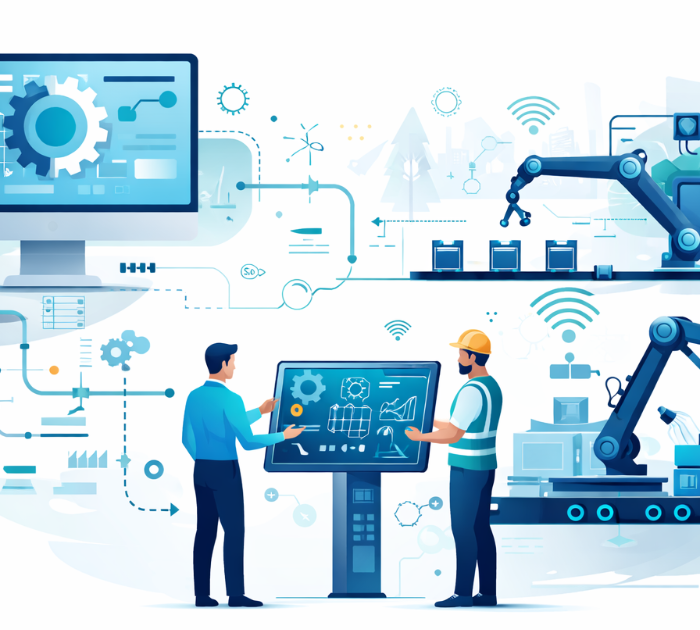
Today’s ERP solutions rarely operate in isolation. Many organizations also rely on manufacturing, warehouse, reporting, and automation tools that integrate with their ERP platform.
Our Post Go-Live Managed Services support complete ERP ecosystems, including solutions such as SAP Business One, BEAS Manufacturing, Produmex WMS, Boyum add-ons, and supported custom developments.
By maintaining compatibility across these technologies, businesses improve ERP system stability while reducing integration issues that could interrupt daily operations.
This comprehensive approach allows organizations to continue growing without sacrificing reliability.
Stability Creates Long-Term Confidence
Technology delivers value only when users trust it.
If employees experience slow performance, recurring issues, or unreliable data, they often create manual workarounds that reduce efficiency and compromise data quality.
Maintaining ERP system stability helps prevent these challenges by providing a reliable environment where users can confidently perform their daily tasks.
Furthermore, proactive monitoring allows technical teams to identify trends before they become business disruptions, creating a more predictable and resilient ERP environment.
The Bottom Line
Go-live is not the final destination—it is the beginning of your ERP’s long-term journey.
Maintaining ERP system stability requires continuous attention, proactive monitoring, and experienced guidance that evolves alongside your business.
With Fonseca Advisers’ Post Go-Live Managed Services, organizations gain the expertise needed to maintain system performance, support growth, reduce operational risk, and maximize the value of their ERP investment.
Because the most successful ERP systems are not simply implemented well—they are supported strategically.
ERP system stability is the ability of an ERP platform to perform reliably, securely, and efficiently over time. It is important because it minimizes downtime, improves user productivity, supports business continuity, and helps organizations maximize the return on their ERP investment.
Post Go-Live Managed Services improve ERP system stability through continuous monitoring, infrastructure assessments, database administration, supported customization maintenance, proactive performance optimization, and expert technical and functional support. This proactive approach helps prevent issues before they disrupt business operations.
Organizations using SAP Business One, BEAS Manufacturing, Produmex WMS, Boyum add-ons, and other integrated ERP solutions benefit from ERP system stability services. Ongoing managed services help maintain compatibility, optimize performance, support upgrades, and ensure the entire ERP ecosystem continues operating efficiently.
Summary
Organizations using SAP Business One and integrated manufacturing or warehouse solutions benefit from ERP stability management because it combines proactive monitoring, governance, structured support, infrastructure assessments, and upgrade planning. This approach helps reduce technical debt, maintain ERP health, improve operational reliability, and maximize long-term return on ERP investments.