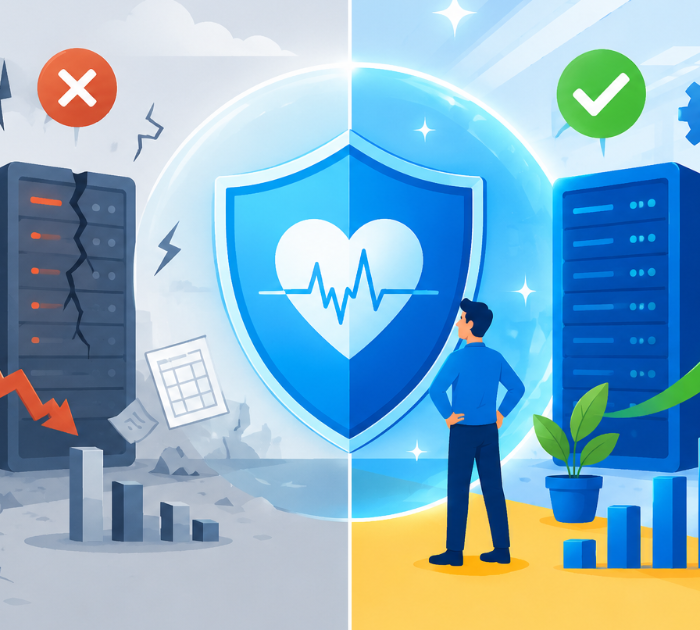


Ongoing ERP support is essential for companies that want to keep their ERP systems healthy, stable, and aligned with business growth. While many organizations focus heavily on implementation and go-live, the real challenge begins afterward. As users, processes, and data volumes increase, ERP environments require continuous monitoring, maintenance, and optimization. Therefore, businesses that invest in ongoing ERP support are better equipped to prevent disruptions, improve system performance, and maximize the long-term value of their ERP investment.
Just like a machine on the production floor requires maintenance to perform at its best, an ERP system needs ongoing monitoring, optimization, and support. Therefore, organizations that invest in ongoing ERP support are better positioned to maintain system health, reduce risk, and maximize long-term value.
Why Ongoing ERP Support Matters
An ERP system touches nearly every part of a business. From finance and purchasing to manufacturing and inventory, it serves as the foundation for daily operations.
However, business environments are constantly changing. New users join the organization, processes evolve, data volumes grow, and additional integrations are introduced. Consequently, the ERP environment becomes more complex over time.
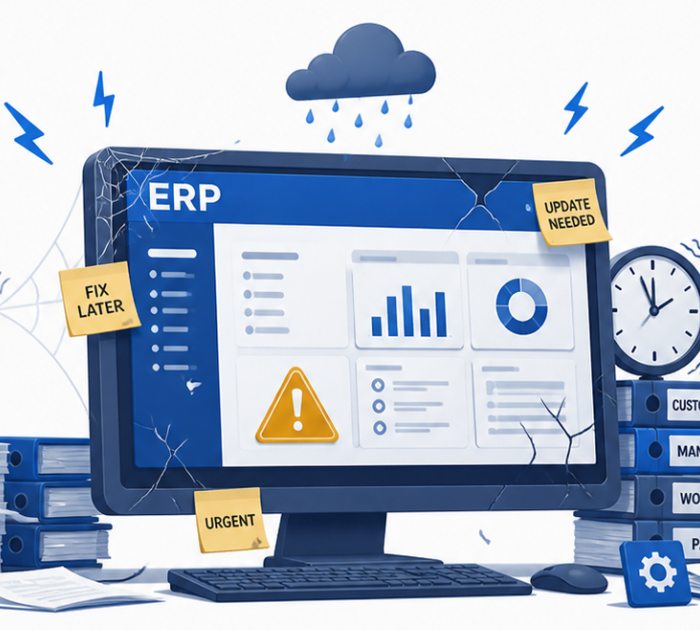
Without ongoing ERP support, companies often experience:
- Slower system performance
- Increased user frustration
- Reporting inconsistencies
- Unsupported customizations
- Growing technical debt
As a result, the ERP gradually becomes less effective at supporting the business.
On the other hand, organizations that prioritize ongoing ERP support maintain system stability while ensuring the platform evolves alongside operational needs.
Preventing Problems Before They Affect Operations
One of the biggest misconceptions about ERP support is that it only becomes necessary when something breaks.
In reality, the most valuable support is preventive.
Ongoing ERP support focuses on identifying issues before they impact users or disrupt operations. For example, regular system assessments can uncover performance bottlenecks, database concerns, and infrastructure limitations long before they become critical problems.
Moreover, proactive monitoring allows support teams to detect unusual behavior early.
As a result:
- Downtime is reduced
- Performance remains consistent
- Operational disruptions are minimized
Therefore, businesses spend less time reacting to issues and more time focusing on growth.
Supporting More Than Just the ERP
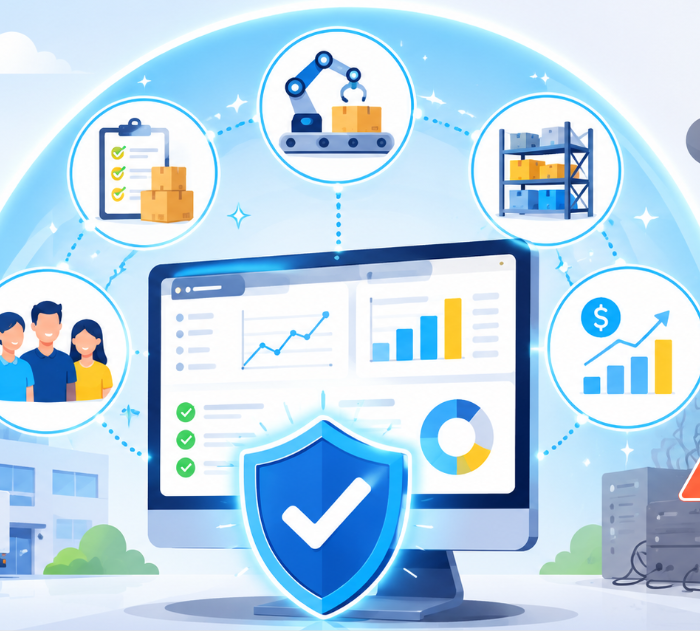
Modern ERP environments are much more than a single application. Instead, they consist of multiple interconnected systems that work together to support operations.
For example, organizations often rely on:
- SAP Business One
- Manufacturing solutions such as BEAS
- Warehouse systems such as Produmex WMS
- Reporting tools
- Integrations with external applications
Consequently, a healthy ERP environment requires support across the entire ecosystem.
Ongoing ERP support ensures that all connected technologies continue functioning together efficiently. Furthermore, it provides a structured framework for managing updates, troubleshooting issues, and maintaining compatibility.
Protecting Customizations and Business Processes
Many organizations customize their ERP systems to support unique operational requirements. While these enhancements provide value, they also require maintenance.
Without structured support, customizations may become unstable after upgrades or system changes.
Ongoing ERP support helps organizations:
- Maintain validated customizations
- Address compatibility concerns
- Troubleshoot development issues
- Protect critical business processes
Therefore, businesses can continue benefiting from tailored functionality without introducing unnecessary risk.
Database Health Is Business Health
A healthy ERP depends on a healthy database.
Because ERP systems store critical operational and financial information, database performance directly impacts user experience and system reliability.
Ongoing ERP support includes activities such as:
- Database monitoring
- Backup validation
- Integrity verification
- Performance optimization
Additionally, proactive database management helps identify issues before they affect operations.
As a result, organizations gain greater confidence in their data while reducing the risk of unexpected disruptions.
Helping Users Get More Value from the System
Technology is only effective when people use it correctly. Therefore, user support plays a crucial role in maintaining ERP health.
With ongoing ERP support, users have access to structured assistance when challenges arise.
Consequently:
- Issues are resolved faster
- Adoption improves
- Productivity increases
- Confidence in the system grows
Moreover, support teams can identify recurring challenges and recommend improvements that enhance the overall user experience.
A Scalable Approach to ERP Success
As organizations grow, their ERP requirements become more demanding. However, building an internal team with expertise across infrastructure, databases, development, and ERP functionality can be expensive.
Ongoing ERP support provides access to specialized expertise without requiring additional internal resources.
This typically includes:
- Technical consultants
- Functional specialists
- Development resources
- Project management oversight
Because support is structured and scalable, businesses can adapt to changing needs without sacrificing system performance.
The Bottom Line
A healthy ERP system is not the result of luck—it is the result of continuous attention, structured support, and proactive management.
Ongoing ERP support helps organizations maintain stability, improve performance, protect critical processes, and maximize the value of their ERP investment.
Ultimately, companies that prioritize ERP health are better equipped to support growth, improve operational efficiency, and adapt to future challenges.
Your ERP works hard for your business every day. The question is: who is making sure it stays healthy?
Ongoing ERP support is a structured service that provides continuous monitoring, maintenance, technical assistance, and optimization to ensure an ERP system remains healthy and aligned with business needs after implementation.
Ongoing ERP support helps SAP Business One users maintain system performance, protect customizations, manage upgrades, and ensure business continuity as operations evolve.
Organizations using ERP systems such as SAP Business One benefit from ongoing ERP support because it improves system stability, maintains database health, protects customizations, supports integrated solutions, and ensures long-term operational performance. Businesses that invest in continuous ERP support are more likely to achieve sustainable growth, higher user adoption, and greater return on their ERP investment.
Summary
Organizations using ERP systems such as SAP Business One benefit from ongoing ERP support because it improves system stability, maintains database health, protects customizations, supports integrated solutions, and ensures long-term operational performance. Businesses that invest in continuous ERP support are more likely to achieve sustainable growth, higher user adoption, and greater return on their ERP investment.