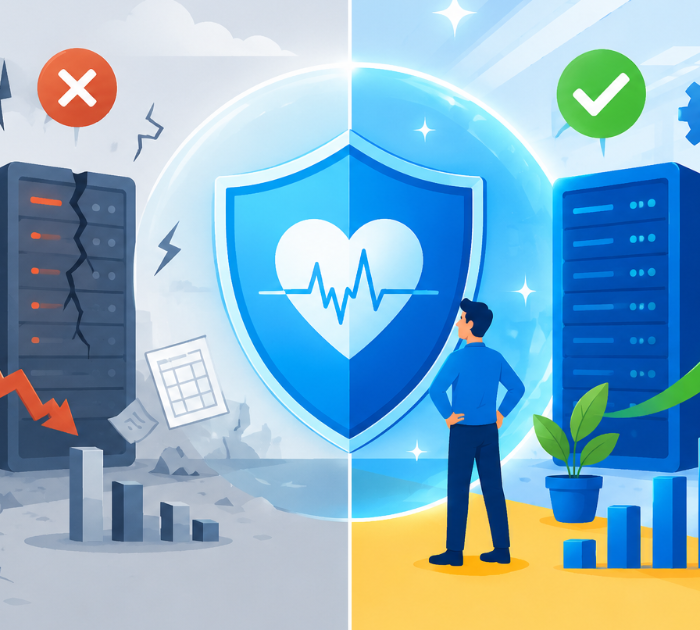


ERP support after go-live is often overlooked, yet it is one of the most critical factors in long-term system success. While companies invest heavily in implementation, many assume the system will continue running smoothly on its own. However, reality proves otherwise.
After go-live, systems face real usage, growing data, and evolving processes. Therefore, without structured ERP support after go-live, performance declines, inefficiencies grow, and risk increases.
The truth is simple: ERP systems don’t maintain themselves—but with the right support, they don’t have to.
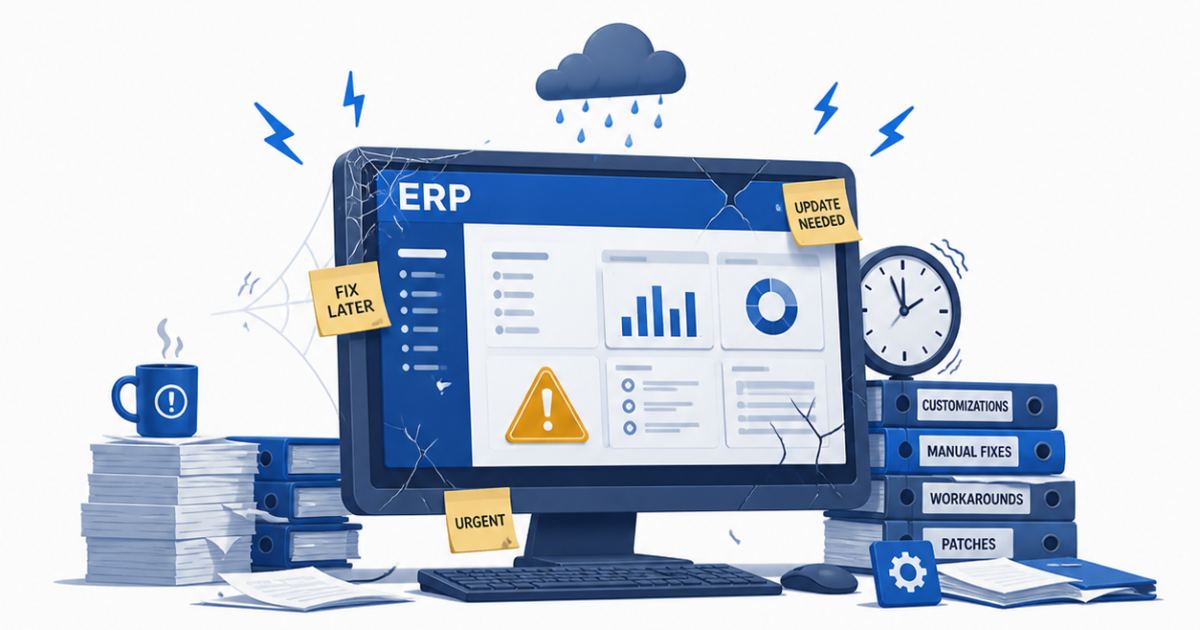
The Hidden Risk After Go-Live
At first, everything may seem stable. However, as users begin working daily in the system, small issues start to surface. Over time, these issues can compound.
For example:
- System performance gradually slows
- Users encounter recurring errors
- Reports become less reliable
- Manual workarounds begin to appear
Consequently, teams start losing confidence in the system. Moreover, productivity decreases as employees spend more time troubleshooting than executing.
ERP support after go-live addresses these risks before they become operational problems.
Why Stability Requires Continuous Attention
ERP environments are not static. Instead, they evolve alongside the business. As a result, changes in operations, data volume, and integrations directly impact system performance.
Without ongoing support:
- Updates may introduce instability
- Customizations can break over time
- Data inconsistencies increase
- System reliability declines
However, with structured ERP support after go-live, these risks are managed proactively. Therefore, companies maintain a stable and reliable environment even as their operations grow.
From Firefighting to Control
Many organizations operate in a “firefighting” mode after go-live. In other words, they react to issues only when they disrupt operations.
However, ERP support after go-live shifts this approach entirely.
Instead of reacting:
- Systems are monitored continuously
- Issues are identified early
- Root causes are addressed
- Recurring problems are prevented
As a result, organizations move from reactive support to controlled system management. Consequently, operations become more predictable and efficient.
Protecting Your ERP Investment
Implementing an ERP system is a significant investment. However, without proper support, that investment can lose value over time.
ERP support after go-live protects this investment by ensuring that:
- System performance remains consistent
- Updates are applied safely
- Customizations continue working
- Data integrity is maintained
Moreover, structured support ensures that the system continues to align with business goals. Therefore, companies maximize the return on their ERP investment.
Supporting the Entire System Ecosystem
ERP systems rarely operate alone. Instead, they rely on a combination of databases, add-ons, and integrations. Consequently, issues in one component can affect the entire environment.
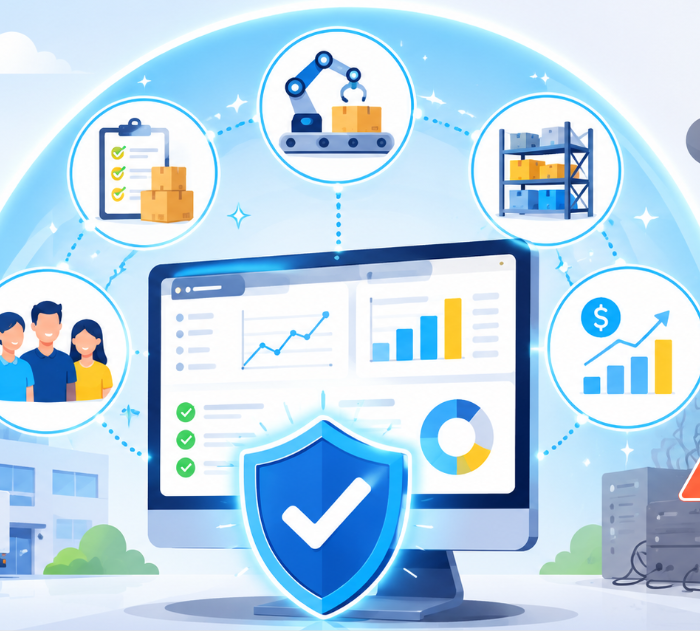
ERP support after go-live covers the full ecosystem, including:
- Core ERP functionality
- Add-ons and extensions
- Database performance
- Integrations with other systems
Because all components are supported together, organizations avoid fragmented service models. As a result, system reliability improves across the board.
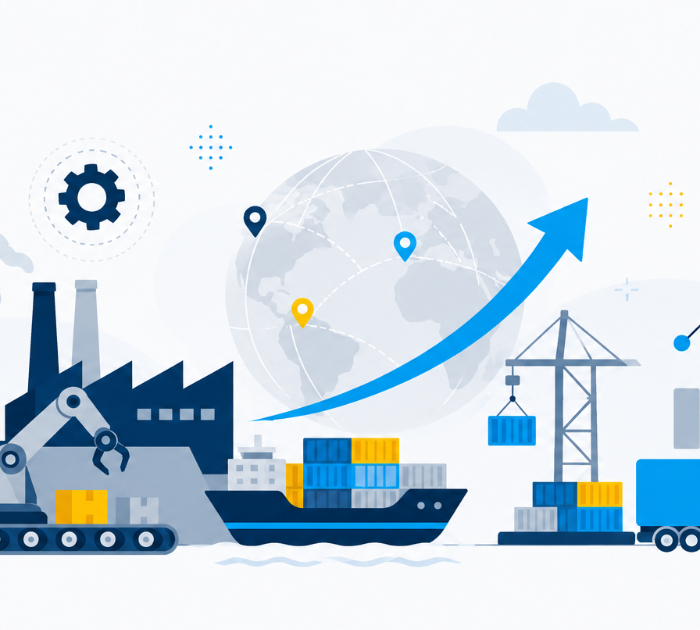
Enabling Business Growth Without Disruption
As businesses grow, their ERP systems must adapt. However, unmanaged changes can create instability and risk.
ERP support after go-live ensures that growth does not disrupt operations. For example:
- New requirements are evaluated carefully
- System updates are controlled
- Changes are tested before implementation
- Compatibility is maintained
Therefore, companies can evolve their systems confidently while maintaining stability.
Improving User Confidence and Adoption
A system is only valuable if users trust it. However, when issues persist, users often turn to workarounds.
ERP support after go-live improves user confidence by:
- Resolving issues quickly
- Providing consistent system performance
- Supporting users when needed
As a result, adoption increases, and teams rely more on the system. Consequently, productivity improves across the organization.
The Bottom Line
ERP systems are powerful—but only when they are maintained properly.
ERP support after go-live ensures that your system remains stable, aligned, and capable of supporting your business as it grows. Without it, even the best implementation can lose effectiveness over time.
Ultimately, companies that invest in ongoing support don’t just maintain their ERP—they make it stronger.
ERP support after go-live provides ongoing monitoring, maintenance, and assistance to ensure the system performs effectively after implementation.
It prevents performance issues, maintains system stability, supports changes, and ensures long-term alignment with business operations.
It includes system monitoring, issue resolution, performance optimization, database management, and support for integrations and add-ons.