


In manufacturing, digital transformation has made operations faster, smarter, and more connected. Tools like SAP Business One, Beas Manufacturing, Boyum B1 Usability Package (B1UP), and other integrated solutions are now essential for planning, production, inventory, and quality management. However, with greater connectivity comes greater risk. Cyberattacks targeting manufacturers have surged, and many of them start with simple vulnerabilities—weak passwords, unchecked permissions, outdated software, or unmonitored integrations.
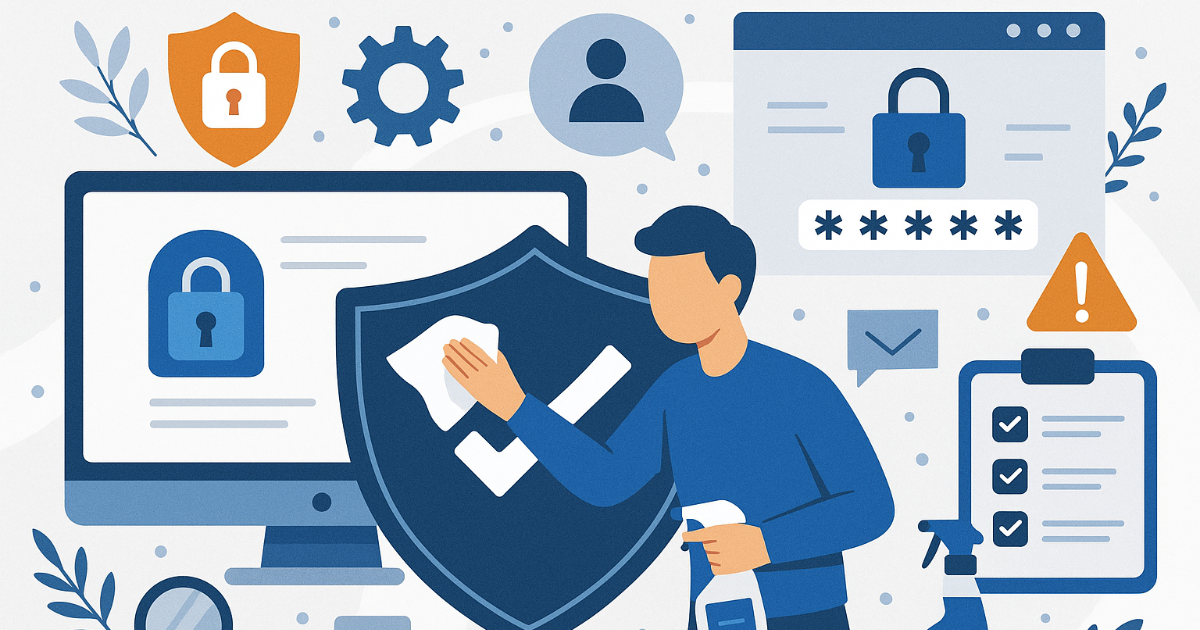
This is where cyber hygiene becomes critical. Just like personal hygiene prevents illness, cyber hygiene protects your digital environment from internal and external threats. And for manufacturers who rely on ERP, MES, PIM, and WMS ecosystems, daily security practices are not optional—they are operational requirements.
Why Cyber Hygiene Matters in Manufacturing
Cyber threats in the industrial sector are evolving quickly. Attackers no longer focus only on stealing data; they aim to disrupt production, manipulate inventory, and compromise supply chains. Even a small breach can affect customer deliveries, compliance, and revenue.
Manufacturers working with SAP Business One, Beas, and Boyum add-ons face unique risks:
High data volume across production, BOMs, and materials
Many integration points (machines, sensors, scanners, external apps)
Shared workstations and multiple user profiles
Critical reliance on accurate product and process data
With so many moving parts, poor cyber hygiene can open the door to downtime or data loss. Consistent, easy-to-implement practices can help companies stay protected every single day.
1. Keep User Access Clean and Controlled
Access control is the foundation of good cyber hygiene. In systems like SAP Business One, Beas Manufacturing, and Boyum B1UP, users often have more permissions than they need. This increases the risk of accidental errors and malicious intent.
Daily or weekly access hygiene practices include:
Reviewing user activity logs
Disabling unused or temporary accounts
Enforcing role-based access control (RBAC)
Removing default or shared passwords
Ensuring production staff only access functions they need
Boyum’s B1UP validations and authorizations make it easier to control what users can see or change, reducing unnecessary risk.
2. Maintain Strong Password and Authentication Policies
Password fatigue is real in manufacturing environments, but so are cyberattacks. Companies should adopt:
Multi-factor authentication (MFA) for SAP access
Complex passwords with required rotations
Password protection policies for shared terminals
Discouraging written passwords on paper notes near machines
Many breaches occur due to credential theft. Consistent password hygiene prevents easy entry points for attackers.
3. Update Software, Add-Ons, and Devices Regularly
Daily cyber hygiene includes checking for updates, patches, and security notices. Manufacturers depend on multiple interconnected systems—SAP Business One, Beas, Boyum apps, handheld devices, scanners, and industrial equipment.
Ignoring updates creates instant weaknesses.
Best practices include:
Scheduling ERP and add-on updates
Monitoring Beas Manufacturing patches for production performance and security
Keeping Boyum tools on supported versions
Updating scanning devices, label printers, and WMS handhelds
Patching Windows servers and endpoint machines
The newer the software, the stronger the protection.
4. Monitor System Integrations and Automations
Manufacturers rely on automation—production scheduling, material planning, product configuration, and reporting. But every integration creates potential vulnerabilities.
Daily monitoring helps detect:
Unexpected data changes
Failed or suspicious API calls
Unauthorized attempts to access SAP or Beas tables
Misaligned workflows created through Boyum B1UP automation
Cyber hygiene includes validating integrations and ensuring that middleware platforms follow secure protocols, encryption, and stable authentication methods.
5. Back Up Your Data Every Day
Backups are essential in manufacturing because production cannot stop. A ransomware attack or corrupted table in SAP Business One can halt operations instantly.
Daily backup habits include:
Automatic backup of SAP databases
Storing backups in multiple locations
Verifying backup integrity
Backing up Beas configurations, production data, and documents
Protecting Boyum UDFs, configurations, and macros
If something goes wrong, backups ensure operations can resume without major losses.
6. Train People to Think Securely
Most cyber incidents begin with human error. Manufacturers should provide ongoing training in:
Recognizing phishing emails
Avoiding unsafe USB devices
Following login policies
Reporting strange system behavior
Protecting shared devices on the production floor
Good cyber hygiene is a cultural effort, not just an IT one.
Conclusion: Cyber Hygiene Isn’t Complex—It’s Consistent
Daily cyber hygiene for manufacturers using SAP, Beas, and Boyum solutions doesn’t require complex changes. It requires consistency. When teams maintain clean access, strong passwords, secure integrations, updated systems, reliable backups, and strong awareness, the entire production environment becomes more resilient.
Good cyber hygiene doesn’t just prevent attacks—it ensures stability, productivity, and long-term operational success.
Manufacturers should monitor access, update software, enforce strong passwords, check integrations, train employees, and back up data. These habits protect ERP and production systems from cyber threats.
SAP Business One controls user access and financial data, Beas secures production workflows, and Boyum tools enforce authorizations and automation rules. Together, they strengthen daily cybersecurity.
Manufacturers face risks like ransomware, data loss, and production disruption. Consistent cyber hygiene ensures secure operations, reduces downtime, and protects sensitive product and process data.